While some vitamin D3 and K2 can be obtained from food, it can be challenging to meet one's daily needs through diet alone, especially if one doesn't regularly consume certain foods.
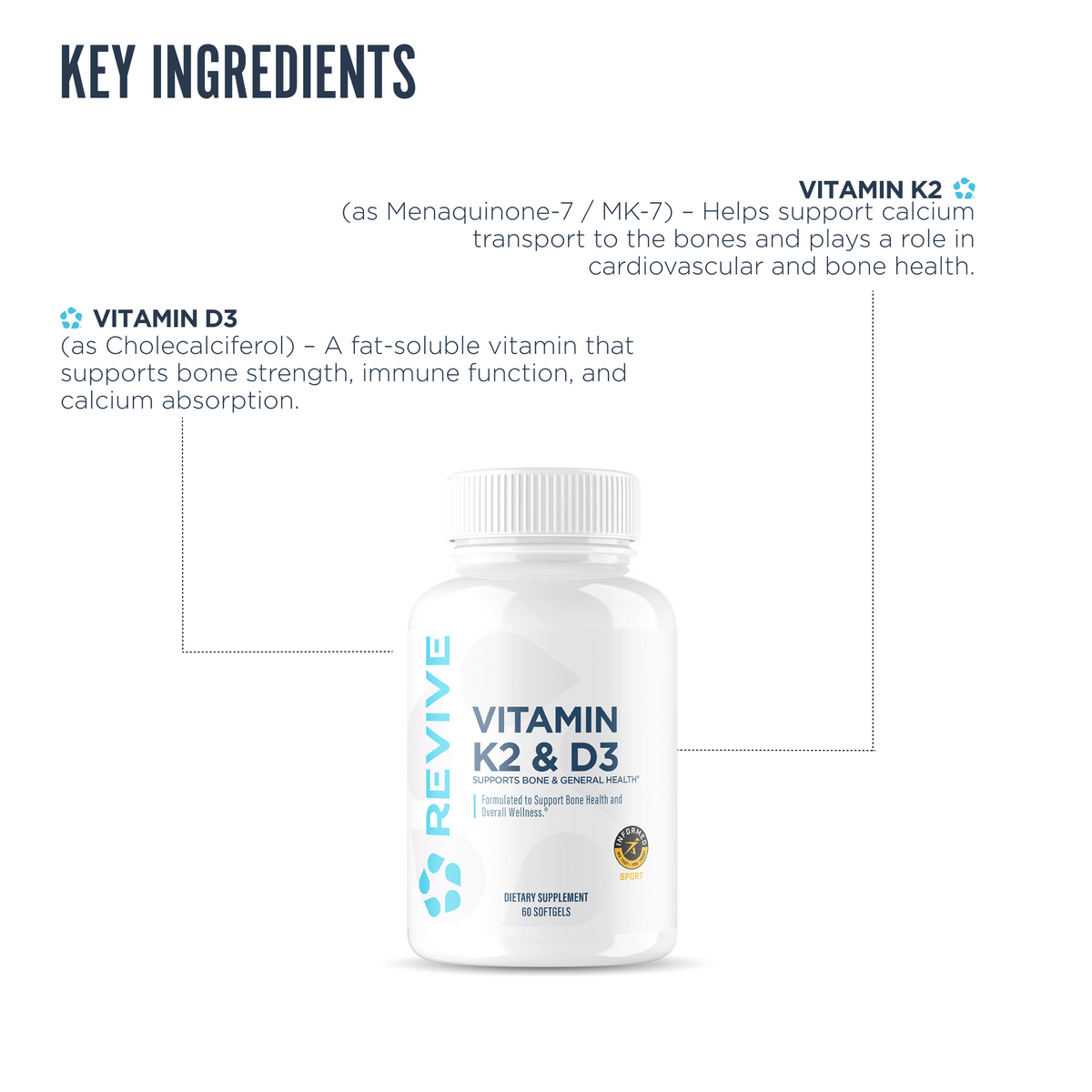
For vitamin D3, foods like fatty fish (such as salmon, mackerel, and sardines), egg yolks, and fortified foods (like milk, cereal, and orange juice) are good sources. However, even with these foods, it’s often difficult to get enough vitamin D3 unless you’re also getting regular sun exposure. This is because your body produces vitamin D3 when your skin is exposed to sunlight, which is one of the most efficient ways to boost your levels. If you live in a region with limited sunlight or spend most of your time indoors, you may need to supplement.*
Vitamin K2, on the other hand, is found in animal-based foods like meat, eggs, and dairy products, as well as fermented foods like natto (a Japanese fermented soy product), sauerkraut, and some cheeses. While these foods can provide a good amount of vitamin K2, most people don’t consume large quantities of them daily, which means they may not be getting enough of this vitamin either.
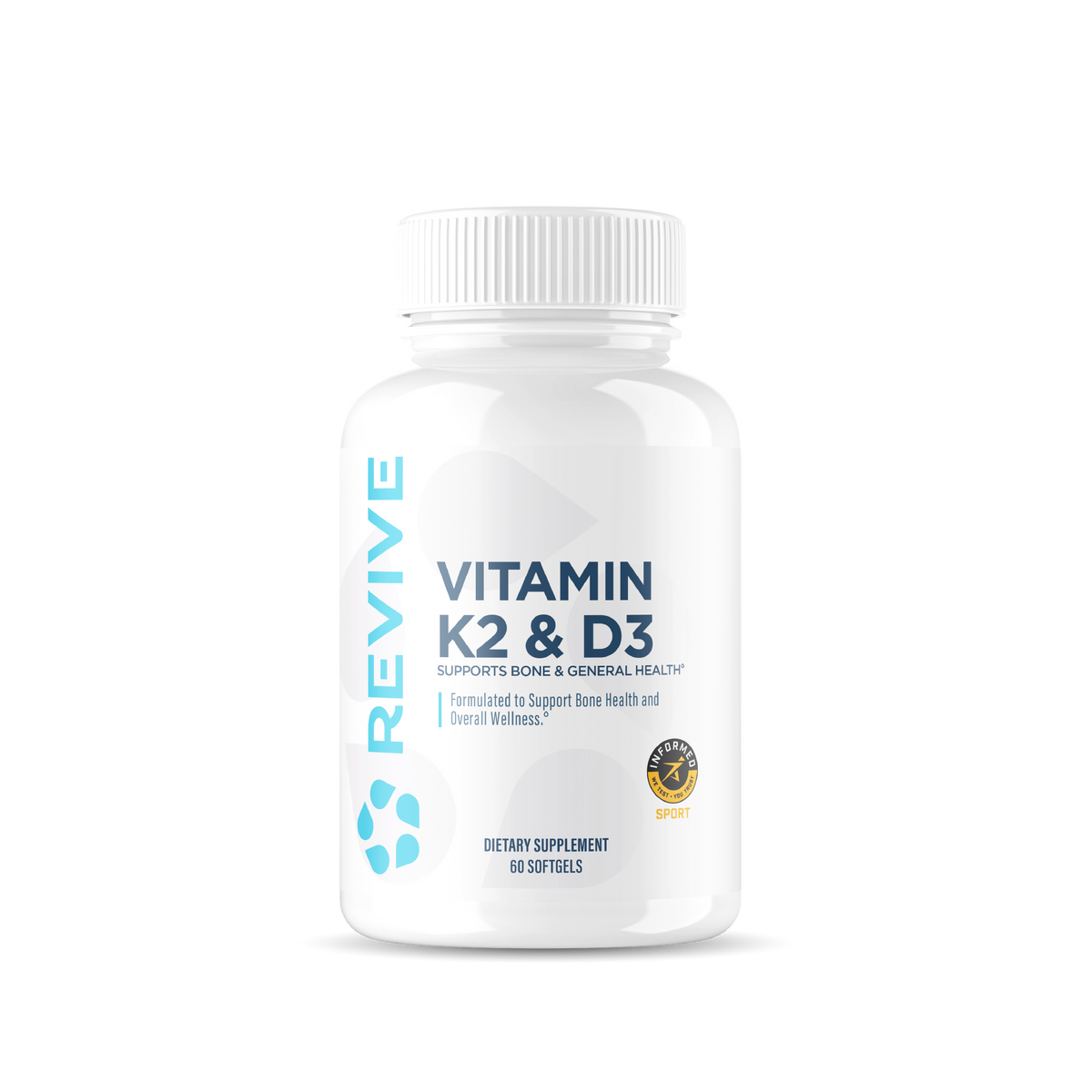
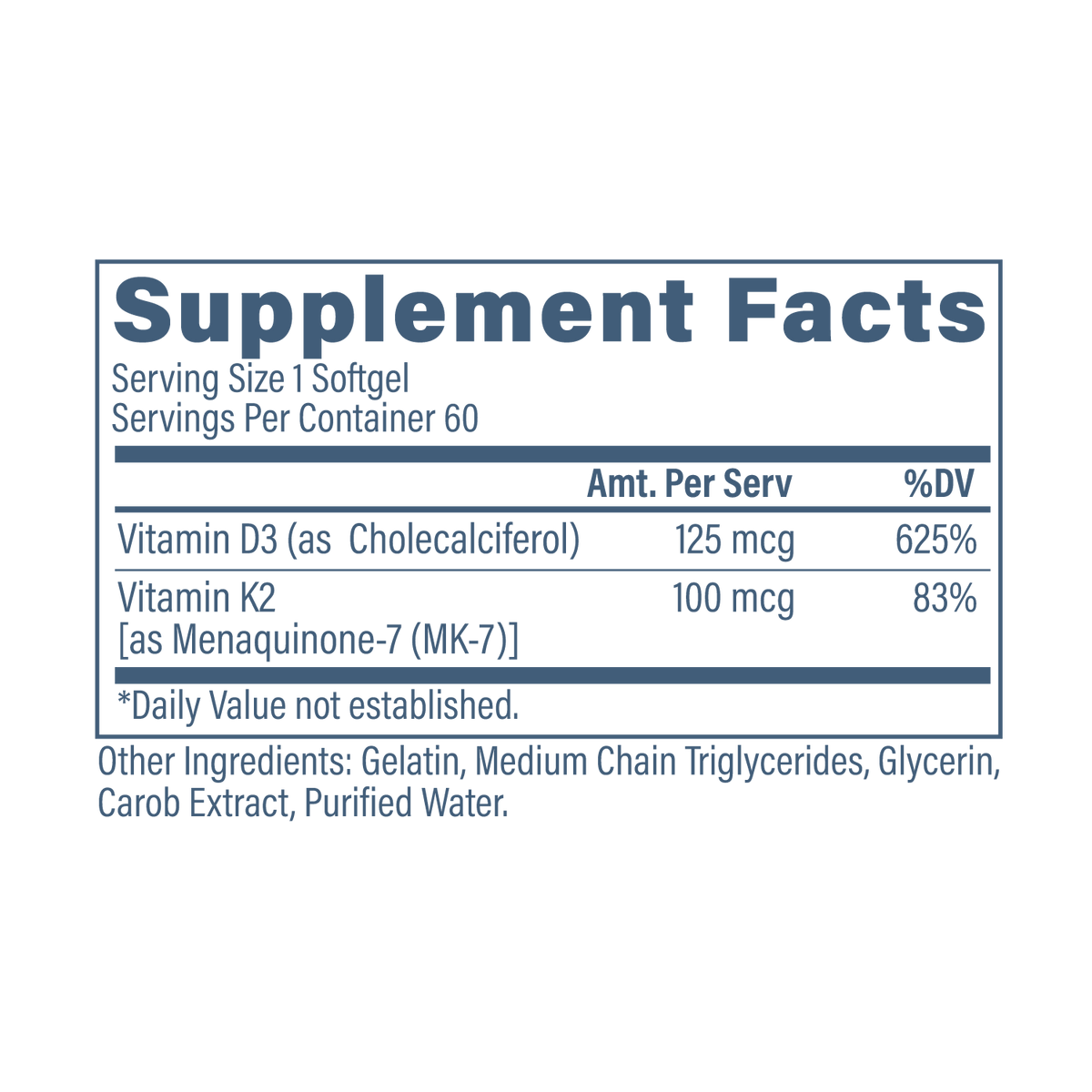
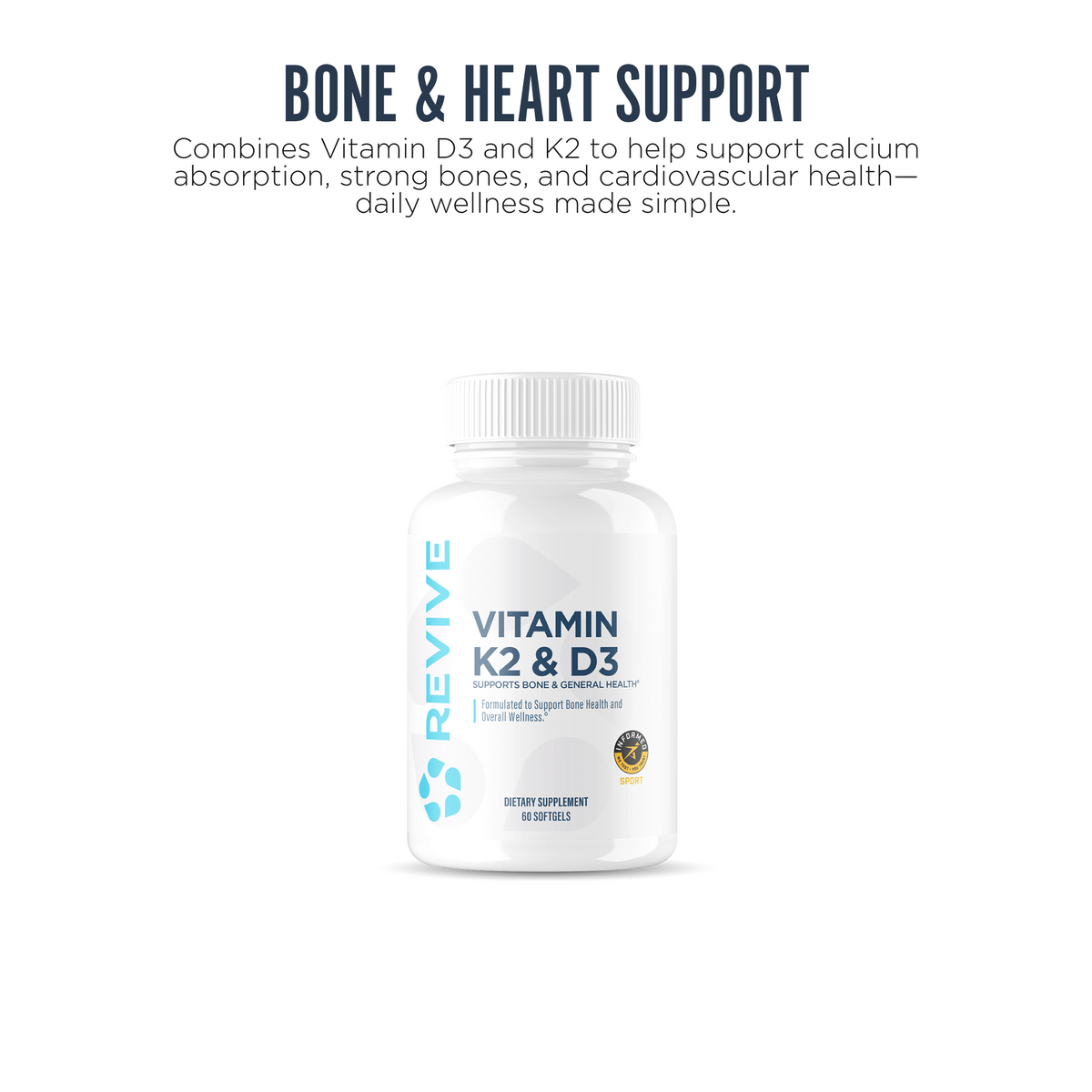
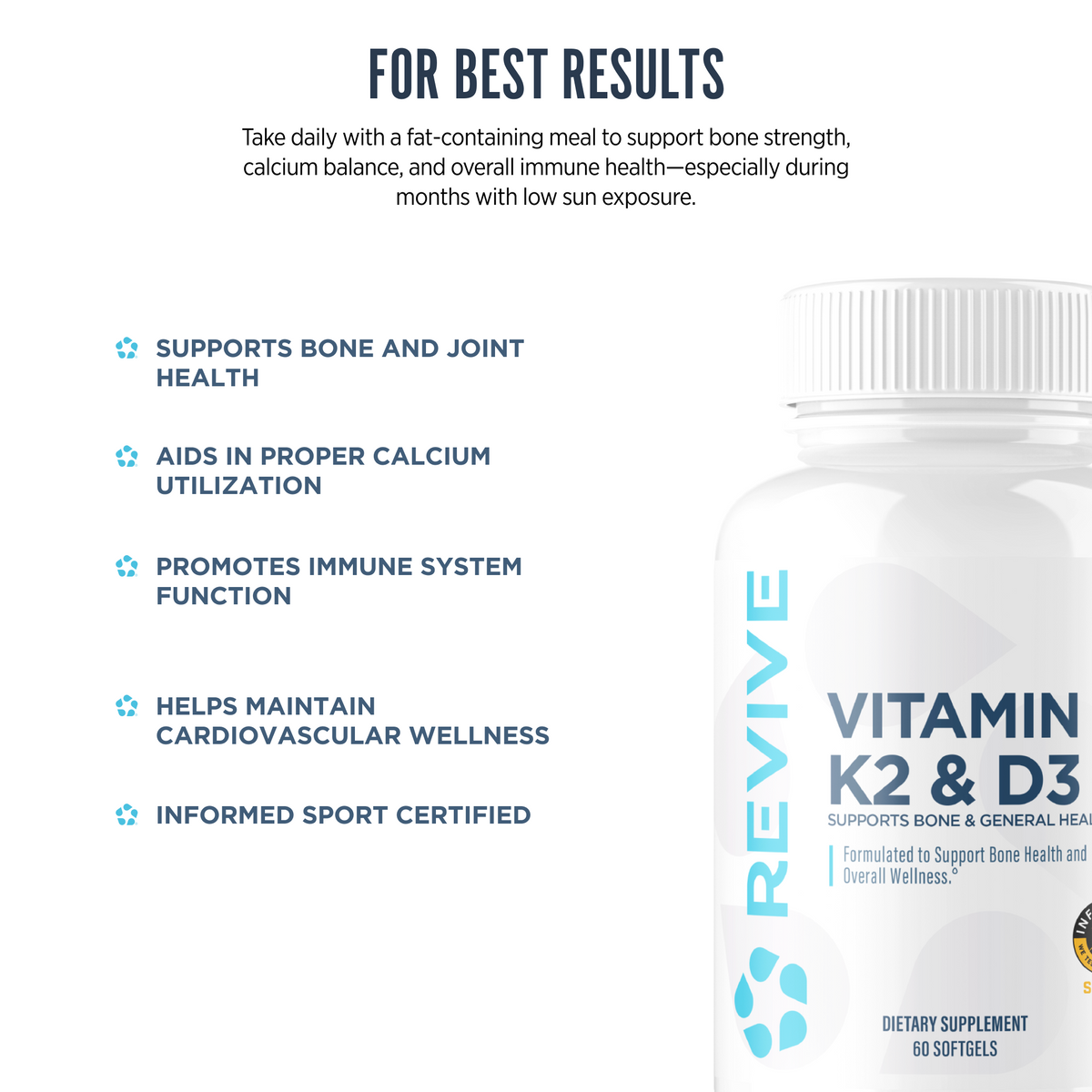
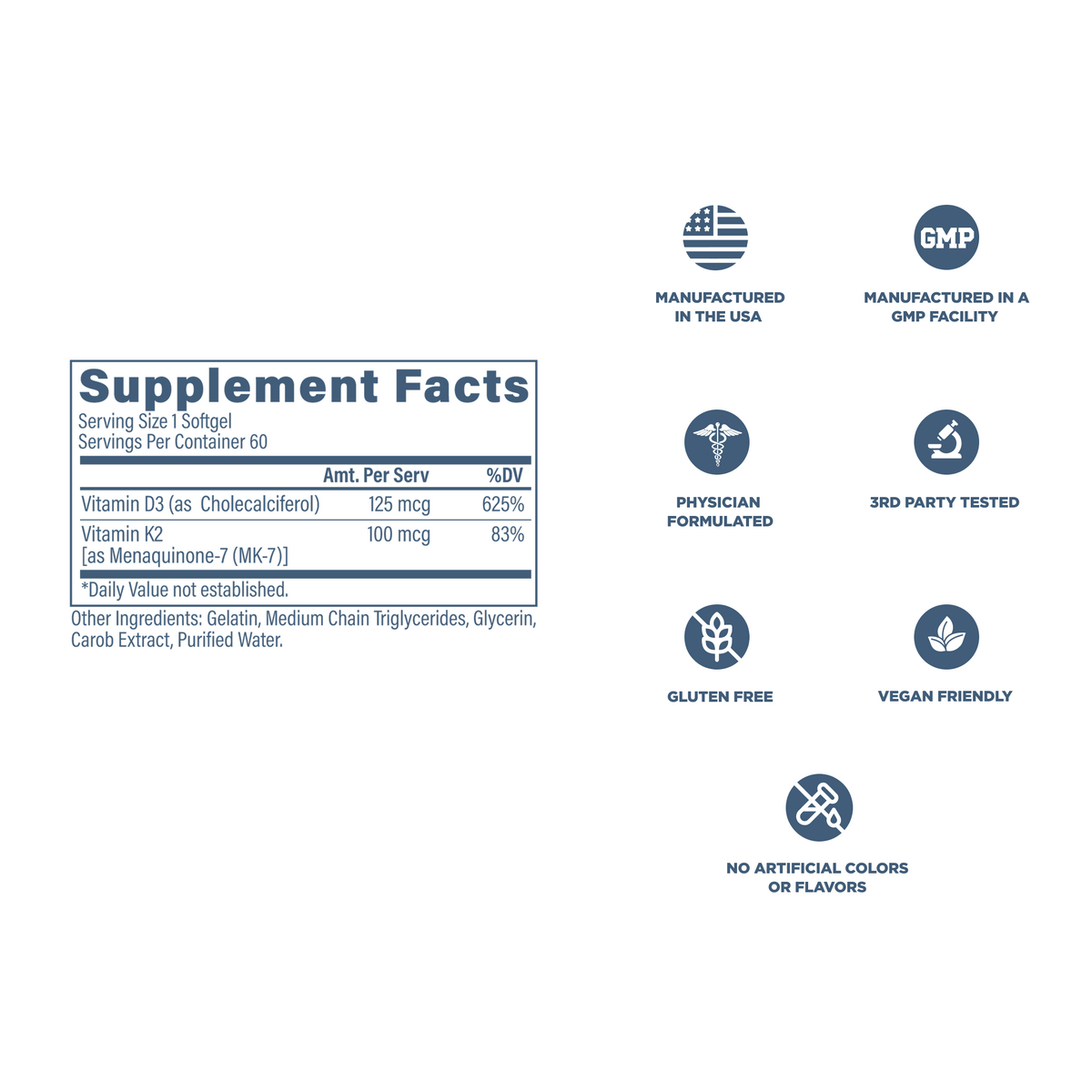
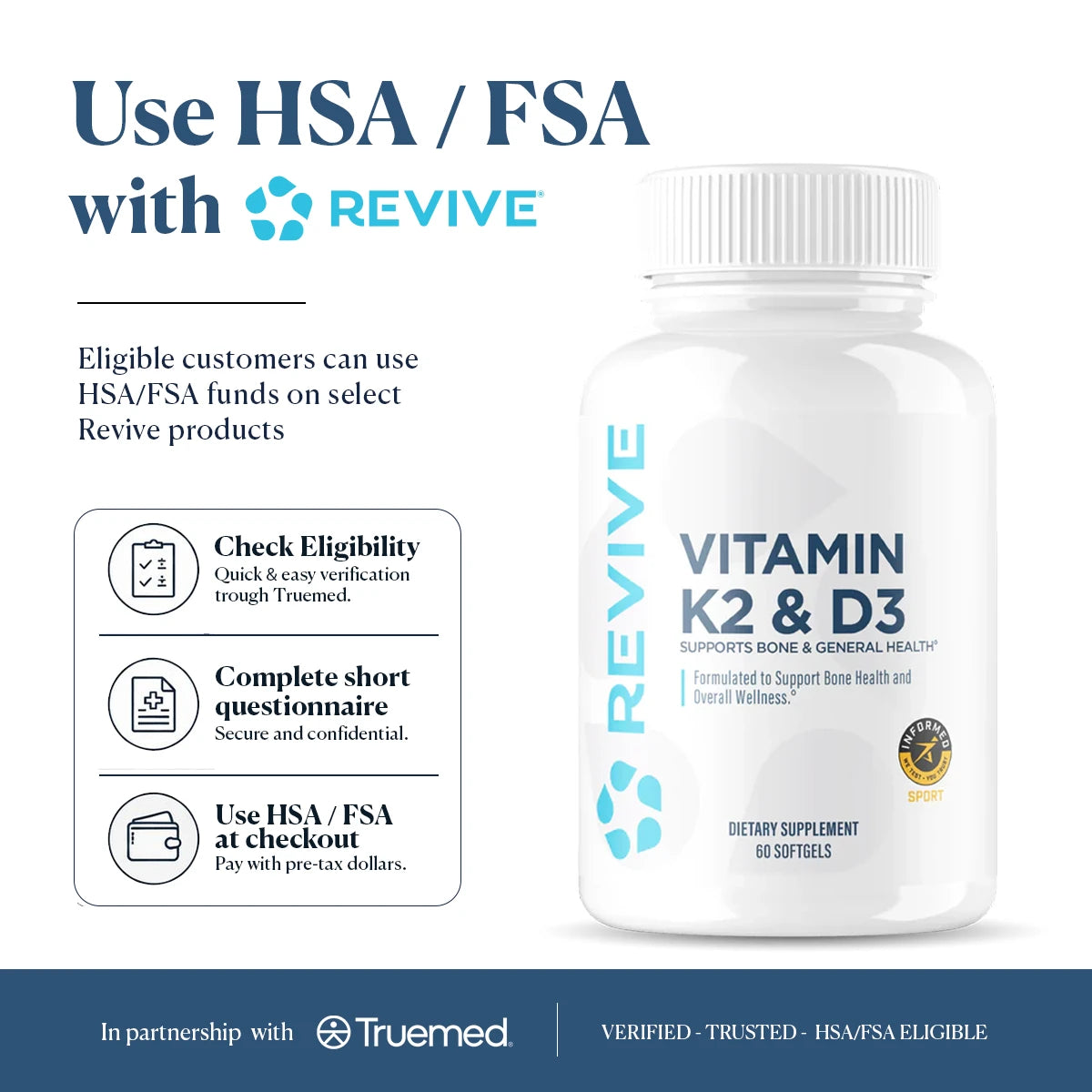
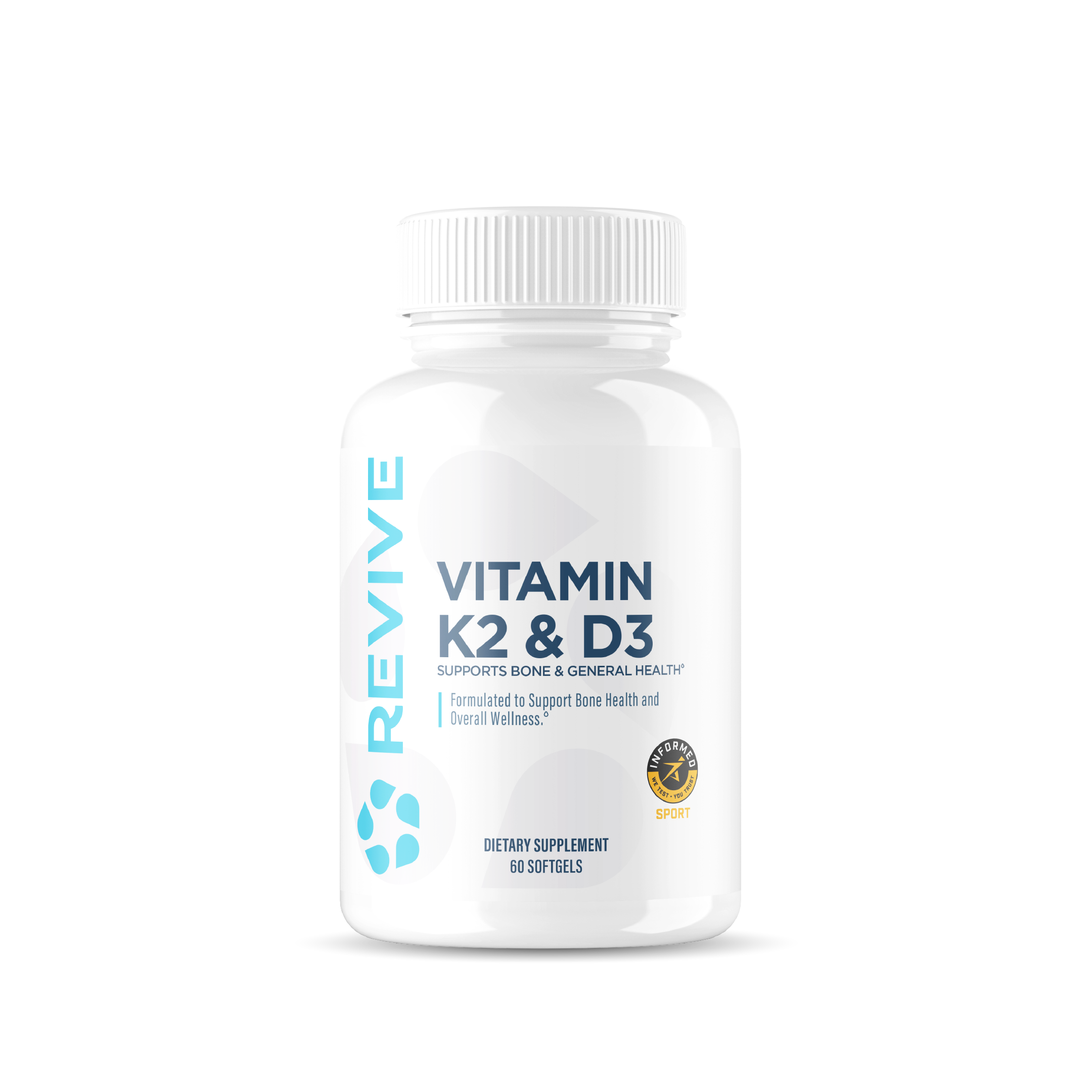
K2 and D3 supplements can be a great option for ensuring optimal amounts of both vitamins, especially if your diet doesn’t regularly include these foods or if you have limited sun exposure. If you're unsure about your vitamin levels, consulting with a healthcare provider can help determine if supplementation is right for you.*